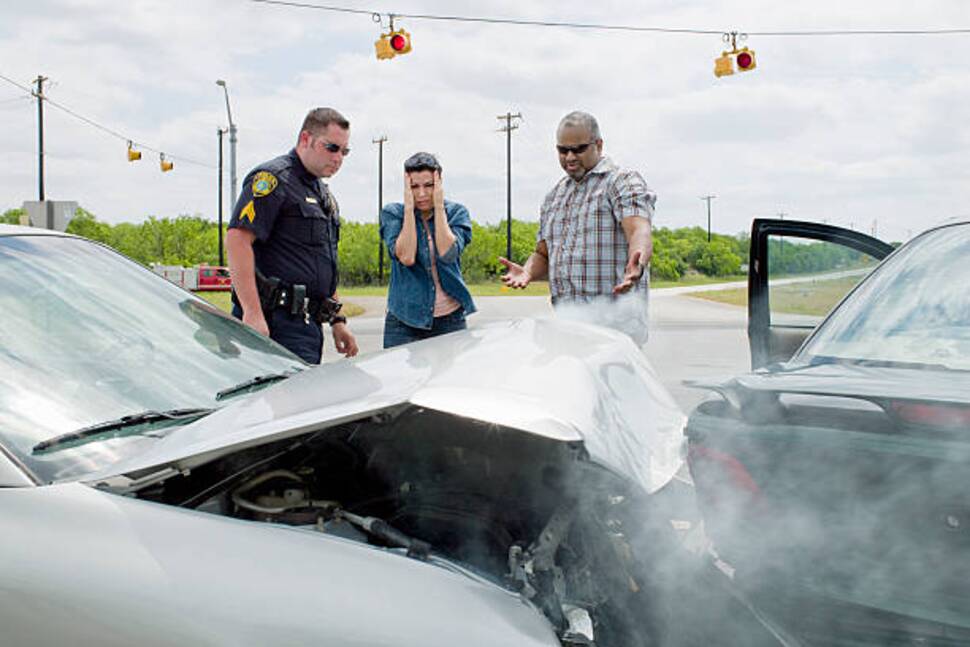
A crash ends in seconds. The paperwork can follow you for months. In Houston, most people leave the scene thinking the hard part is over once the officer arrives. It feels official. Safe, even. Someone writes things down, asks a few questions, then hands out a case number. That report seems final. But here’s the thing — a police report can shape an injury claim in ways many people don’t expect. Insurance adjusters read every line. They compare it with photos, witness notes, medical records, and even repair bills. A few words can shift blame. One missing detail can slow payment. Sometimes a report helps your case a lot. Sometimes it creates a headache that sticks around. That’s why many injured drivers later call a Houston personal injury lawyer when claim talks start to drift.
First, what does a police report really do?
A police report is not the final word on fault. That surprises people. The officer did not see the crash happen in most cases. They arrive after the fact. They gather statements, check the road, note weather, and write what they believe happened.
A typical Houston crash report includes:
- Driver names and insurance details
- Road and weather notes
- Vehicle damage points
- Witness names
- A short fault summary
- Traffic tickets, if any
It looks simple. Yet insurers treat it like a first map. If the report says one driver failed to yield, that line often becomes the opening argument during claim talks. And yes, one sentence can matter more than people think.
Small mistakes can become big problems
A wrong lane was noted. A witness left out. The wrong turn signal listed. These things happen more than people expect. An officer may speak with drivers while traffic builds, horns sound, and someone nearby is upset or hurt. Details get mixed up. A driver may speak too fast. Someone may guess instead of recall. Honestly, memory right after impact is messy. A person may say, “I think I had the green light,” when they are still shaken. Later, camera footage shows the timing was tighter than they believed. Insurance companies notice gaps like that fast. They may ask: if this changed, what else changed? That does not kill a claim, but it can weaken trust unless the missing facts get fixed early.
Why insurers lean on the report so heavily
Insurance companies want a paper trail. They look for anything that supports paying less or denying part of a claim. A police report gives them a starting point because it comes from a neutral source. But neutral does not always mean complete. If the report says “no visible injury,” an adjuster may point to that line later when neck pain appears three days after the crash. That happens often because soft tissue pain does not always hit right away. Like a bruise that darkens later, some injuries show up after the body calms down. That is why early medical care matters. It builds a timeline the report cannot cover.
When the report helps your case
A clear report can make claim talks move faster. If the officer notes rear-end impact, names a witness, and cites the other driver, insurers usually have less room to argue. Rear-end crashes often look simple because the trailing driver usually carries blame. Not always, but often.
A strong report may also help when:
- The other driver changes their story later
- Witnesses stop answering calls
- Vehicle damage lines up with your account
That early written record matters because people forget details quickly. And they do forget — even honest people do.
But what if the report hurts?
It happens. Maybe the officer marked the shared fault. Maybe your statement was too short. Maybe road marks were unclear because rain had just started. Houston weather does that. One sudden storm and skid marks vanish. If a report hurts your claim, it still is not the end.
Other proof can outweigh it:
- Traffic camera footage
- Business security video
- Phone location records
- Vehicle computer data
- Medical notes tied to timing
A report is strong evidence, not final proof. That difference matters.
Can you fix a police report?
You usually cannot rewrite it fully, but you can request a correction or add a statement. In Texas, drivers may contact the reporting agency if clear factual errors exist. A wrong plate number, wrong street, or missing vehicle detail may be corrected. Opinion sections are harder. An officer usually will not remove their judgment unless clear proof appears. That is why extra records matter. Photos taken right after the crash often help more than people expect. A quick phone photo of a lane, a bumper, or a traffic light can settle arguments months later. Funny how one blurry picture can matter more than a long phone call.
Timing matters more than most people think
People often wait too long because they feel sore but not seriously hurt. Then a week passes. Then two. By then, insurers ask why treatment started late. That question comes up often in Houston injury claims. Delay does not mean fake injury. It just means the insurer now has something to question. That is one reason firms like Schechter, Shaffer & Harris, LLP – Accident & Injury Attorneys often tell clients to keep every record early — clinic notes, towing receipts, missed work days, even rideshare receipts. Small details stack up. And together, they tell a cleaner story than memory alone.
Why legal help changes the tone of a claim
Some claims stay simple. Many do not. Once injuries involve missed work, therapy, scans, or lasting pain, insurers become stricter. That is when a law firm reviews not just the report, but the gaps around it. Schechter, Shaffer & Harris, LLP – Accident & Injury Attorneys, known across Houston for injury cases, often deals with reports that look harmless at first but later cause disputes over fault or treatment.
A lawyer may compare:
- Officer notes
- Witness wording
- Medical timing
- Car damage pattern
That comparison often shows where the story bends. And when the story bends, claim value can change.
One last thing people forget after a wreck
Keep your own notes. Write down what you remember that day. Even short notes help. What lane were you in? What did the other driver first say? Was there road work nearby? Did anyone mention a phone? These details fade fast. Faster than people think. A month later, even careful drivers mix up small moments. That notebook may never leave your drawer. Still, if questions rise later, it becomes useful. A crash claim is part paperwork, part memory, part proof. Police reports matter. They just do not tell the whole story.
FAQs
1. Can an insurance company deny my claim because of a police report?
Yes, if the report strongly points fault at you, insurers may deny or cut payment. Still, other proof can challenge that decision.
2. How long does it take to get a Houston police crash report?
Most reports become available within several days through the Texas crash records system or local law enforcement office.
3. What if the police report says I was not injured?
That does not block your claim. Many injuries appear later, especially neck, back, and soft tissue pain.
4. Should I speak to the other driver’s insurer before seeing a lawyer?
You can, but keep answers short. Recorded calls often shape claim value early in the legal practice process.
5. Does a police ticket mean automatic fault in court?
No. A ticket helps show fault, but it does not settle liability by itself.