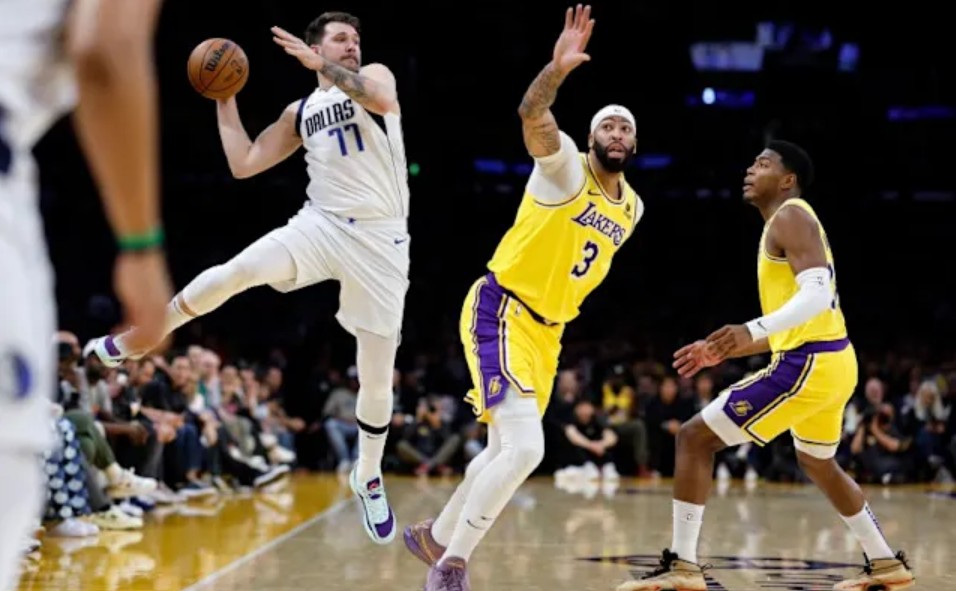
The National Basketball Association has entered an age where the traditional dynamics of team building have been completely upended. For decades, the path to a championship was a slow and methodical process. Teams would draft young talent, nurture their development, and hope to add a veteran piece through a trade or a modest free-agent signing. The power rested almost entirely with the owners and general managers. However, the 21st century brought about a radical shift known as “player empowerment.” Today, the league’s elite superstars are the primary architects of their own destinies. By using their leverage to force trades or joining forces in free agency, these players have created what fans and analysts call “Superteams.” This era has sparked a fierce debate about the health of the league. While some argue that Superteams provide a high level of talent and drama, others believe they destroy competitive parity and alienate fans in smaller markets.
The Genesis of the Modern Superteam: From Boston to Miami
While the concept of having multiple stars on one team is not new—the 1980s Lakers and Celtics were filled with Hall of Famers—the modern Superteam is different because it is initiated by the players themselves. The spark for this revolution can be traced back to the summer of 2007 when the Boston Celtics acquired Kevin Garnett and Ray Allen to join Paul Pierce.
The Decision that Changed Everything
The true turning point, however, occurred in 2010. LeBron James made the historic announcement that he was “taking his talents to South Beach” to join Dwyane Wade and Chris Bosh with the Miami Heat. This was the first time in the modern era that three prime-age superstars decided to collaborate to guarantee themselves a championship. It sent shockwaves through the sporting world and established a new blueprint for success. For fans who want to track these shifting rosters and the explosive games that result from such massive talent concentrations, having a reliable source for live coverage is essential. Many enthusiasts across the globe rely on 전국티비 스포츠중계 to follow the high-stakes drama of these newly formed dynasties. Seeing the immediate chemistry—or lack thereof—between multiple stars in high definition provides a unique perspective on the challenges of building a team through sheer star power rather than organic growth.
The Rise of the “Big Three” Model
Following the success of the Miami Heat, the “Big Three” model became the standard requirement for title contention. Teams like the Cleveland Cavaliers (LeBron, Kyrie Irving, Kevin Love) and the Golden State Warriors (Steph Curry, Klay Thompson, Draymond Green, and later Kevin Durant) proved that having three or four All-Star caliber players was the only way to survive the gauntlet of the playoffs. This created an “arms race” in the NBA, where teams that could not secure multiple stars found themselves relegated to the bottom of the standings with no realistic path to victory.
The Pros of the Superteam Era: Elite Talent and Global Branding
Despite the criticism, the Superteam era has brought several significant benefits to the NBA, contributing to its status as the most culturally relevant league in the world.
A Concentration of Historic Talent
When multiple superstars play together, the level of basketball reaches an incredible peak. The 2017 Golden State Warriors are widely considered one of the greatest teams in history because they featured four future Hall of Famers in their absolute prime. The technical execution, spacing, and sheer talent on display during that run provided a level of entertainment that attracted millions of casual fans. Superteams create “event” basketball where every game feels like a major cultural moment.
Enhancing the NBA’s Global Brand
Superteams are easier to market to a global audience. Fans in China, Europe, and South America often follow specific players rather than specific cities. A team featuring LeBron James and Anthony Davis or Kevin Durant and Devin Booker has an immediate international following that a more balanced, “team-oriented” roster might lack. This global visibility drives merchandise sales, television ratings, and social media engagement, which in turn increases the league’s overall revenue and the value of every franchise.
The Cons of the Superteam Era: Parity and Small Market Struggles
The primary criticism of player empowerment and the resulting Superteams is the perceived loss of competitive parity. The fear is that the league has become “top-heavy,” with only a few teams having a genuine chance at winning the title each year.
The Devaluation of the Regular Season
When the outcome of the season feels “predetermined” due to the existence of a Superteam, the regular season can lose its meaning. If fans feel that their local team has zero chance of competing with a coastal powerhouse filled with four All-Stars, they are less likely to buy tickets or tune into games. This leads to a polarized league where a few “haves” dominate the conversation while the “have-nots” struggle for relevance.
The Challenge for Small Markets
Small-market teams like the Milwaukee Bucks, Oklahoma City Thunder, and Utah Jazz face an uphill battle in the Superteam era. They often struggle to attract elite free agents who prefer the marketing opportunities and lifestyle of cities like Los Angeles, New York, or Miami. While some small markets have succeeded through elite drafting and culture building, the fear of their homegrown star eventually leaving to join a Superteam is a constant source of anxiety. This “poaching” of talent creates a cycle of rebuilding that can last for a decade, making it difficult to maintain a loyal local fanbase.
The Psychological Impact on the Stars
The move to join a Superteam also brings intense psychological pressure and a different kind of scrutiny for the players involved.
The “Ring or Bust” Mentality
When a player joins a Superteam, the expectation is immediate success. Anything less than a championship is considered a failure. This creates a high-stress environment that can lead to internal friction and chemistry issues. We have seen several “failed” Superteams, such as the 2021-2022 Brooklyn Nets or the 2012-2013 Los Angeles Lakers, where the combination of big egos and high expectations led to a spectacular collapse.
The Narrative of the “Easy Path”
Players who join Superteams often face a backlash from traditional fans and former players who believe they are taking the “easy path” to a championship. This narrative can affect a player’s legacy. For example, Kevin Durant’s two championships with the Warriors are often debated because of the overwhelming talent he joined. This criticism forces players to constantly defend their choices, creating a more combative relationship between the athletes and the media.
The Role of the Collective Bargaining Agreement (CBA)
To combat the negative effects of Superteams, the NBA and the Players Association have introduced several measures in the latest Collective Bargaining Agreement to encourage parity.
The “Apron” and Financial Penalties
The new CBA features a “second apron” above the luxury tax line. Teams that exceed this limit face severe penalties, including the loss of their mid-level exception and restrictions on trading their first-round picks. These rules are specifically designed to make it financially and strategically difficult to maintain three or four max-contract players on one roster. In 2026, we are seeing the results of these rules as teams are becoming more cautious about over-leveraging their future for a short-term window of dominance.
Rewarding Loyalty through the Supermax
The “Supermax” contract was introduced to allow teams to offer their homegrown stars significantly more money than any other team in free agency. While this has helped some small-market teams keep their stars, it has also created a “contract trap” where a team is forced to pay a player 35% of the salary cap, leaving very little room to build a supporting cast. This financial complexity is the new reality of NBA management, requiring general managers to be as skilled in accounting as they are in talent evaluation.
The Shift Toward “Dynamic Duos”
Interestingly, the extreme Superteam era of three or four stars may be transitioning into an era of “Dynamic Duos.” Following the breakup of some of the larger Superteams, we have seen a trend of two superstars pairing up and surrounding themselves with high-quality role players.
Finding the Balance of Talent
The duo model (like Nikola Jokic and Jamal Murray or Jaylen Brown and Jayson Tatum) seems to provide more competitive balance. It allows for a more traditional team-building approach where the supporting cast plays a vital role in the team’s success. This model is often more sustainable and less prone to the “ego-driven” collapses that plague larger Superteams. Fans seem to appreciate this balance as it keeps more teams in the hunt for a championship throughout the long season.
The Importance of the “Role Player”
In a duo-centric league, the “3-and-D” wing and the “versatile big man” become the most important assets. Teams are realizing that you don’t need three superstars to win; you need two superstars and three elite role players who understand their jobs perfectly. This shift is bringing some of the “team-first” philosophy back to the game, satisfying both the analytics departments and the traditionalists who miss the basketball of the 1990s.
The Future of Player Empowerment
As we move deeper into the late 2020s, player empowerment is likely to evolve rather than disappear. The players now understand their market value better than ever before, and they are using social media and personal branding to maintain their leverage.
The Rise of Short-Term Contracts
We are seeing more stars sign shorter contracts with player options. This allows them to stay flexible and move to a new situation if their current team is not competitive. While this is good for the players, it creates a “constant state of flux” for the fans. It is hard to build a deep emotional connection with a team when you know the star player might be gone in eighteen months. The league must find a way to balance player freedom with the need for franchise stability.
The Influence of the “New” Media
Players are also using their own media platforms—podcasts, YouTube channels, and production companies—to control the narrative around their moves. This has reduced the power of traditional sports journalism and allowed players to explain their motivations directly to the fans. This transparency can help mitigate some of the “villain” narratives that used to follow players who switched teams, making the process of team-building feel more like a transparent business decision rather than a betrayal.
The Superteam era has been a period of incredible excitement and profound frustration for the NBA. It has showcased the absolute peak of human athletic performance while also testing the limits of competitive balance. The rise of player empowerment has forever changed the relationship between the athlete and the organization, creating a more player-centric league that mirrors the trends of the broader entertainment industry.
As the league continues to adjust its rules and as new stars emerge, the definition of a “successful team” will continue to shift. Whether the future belongs to the massive Superteams or the balanced Dynamic Duos, the influence of the players on the strategic and commercial landscape of the NBA is here to stay. The game is faster, the stars are brighter, and the drama is more intense than ever before. For the modern basketball fan, the Superteam era is simply the latest chapter in the ongoing evolution of the world’s most dynamic sport. The hunt for the perfect combination of talent continues, and the world is watching to see who will find it next.