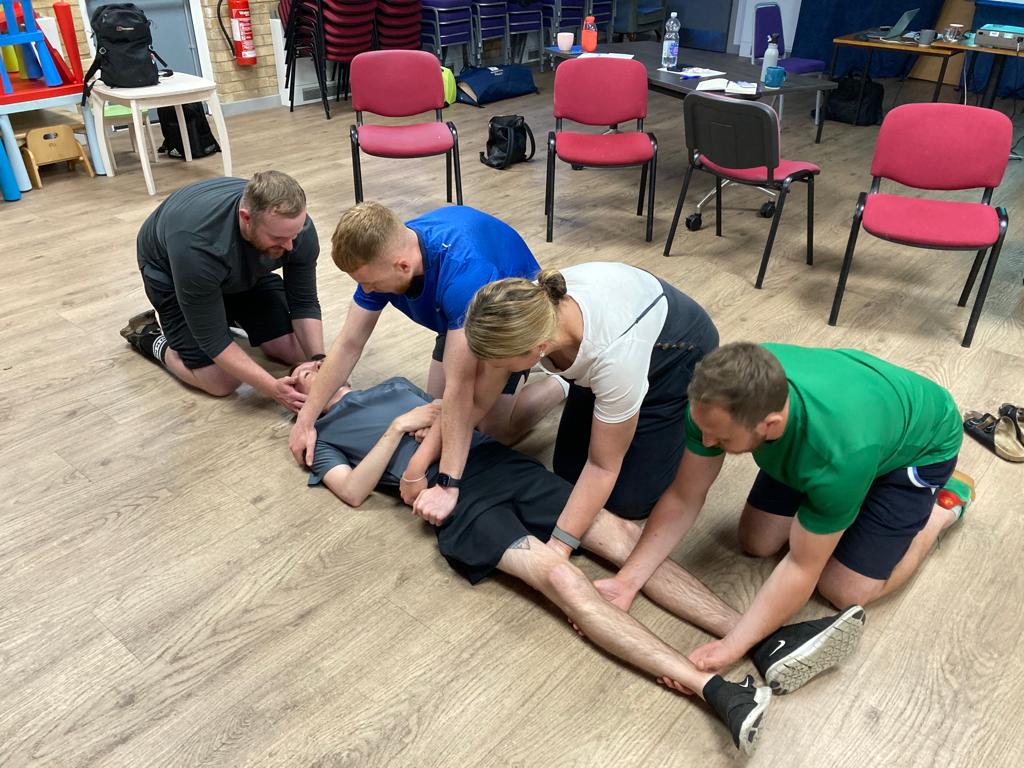
Children learn, play, explore, and develop in schools. Students engage in playground games, scientific experiments, athletics, field trips, and classroom activities every day. Although these experiences are worthwhile, there is a chance of mishaps or unanticipated medical emergencies. Having knowledgeable employees who can react quickly may have a significant impact. For this reason, first aid training is now a crucial component of making learning spaces safer for both students and visitors.
Every Minute Counts During An Emergency
Emergencies in schools seldom have a warning. A youngster can have breathing problems in class, fall at playtime, or have an allergic response during lunch. In these situations, taking prompt action is often more crucial than waiting for emergency personnel to show up.
Teachers, coaches, administrative personnel, and support staff who have taken Canberra first aid training are better able to maintain composure and provide the necessary treatment until expert medical help is called. Their assurance ensures that sick or wounded pupils get prompt care while also lowering anxiety.
Increasing Staff Confidence
Fear of making errors causes many individuals to pause during situations. By offering useful information and realistic training situations, proper first aid education eliminates a large portion of this ambiguity.
Employees get training on how to evaluate a situation, interact with emergency personnel in an efficient manner, and put the safety of all parties involved first. The capacity to act fast under duress increases with confidence.
Trained educators may adhere to established protocols that enhance school community safety rather than depending on conjecture.
Establishing A Safer School Environment
Responding to crises is simply one aspect of safety. It also entails fostering an atmosphere in which everyone takes responsibility for prevention.
Schools that encourage employees to finish a first aid course Canberra often see an increase in campus-wide safety awareness. Students start to understand the value of taking care of themselves and others, teachers become more aware of possible risks, and athletic events are closely monitored.
Many preventable events may be prevented before they occur when safety is included in daily thought.
Assisting Students With Health Issues
Students with a variety of medical issues are present in modern classrooms. Some people may have severe allergies, diabetes, asthma, epilepsy, or other chronic illnesses that need to be treated right away if their symptoms become worse.
School personnel who have received first aid training are better able to identify warning indicators and react properly while adhering to each student’s health management plan. Families and school communities may feel reassured, and difficulties can be avoided with prompt intervention.
Knowing that their kids attend a school where qualified individuals are ready to step in if needed naturally gives parents more confidence.
Increasing Safety In Educational Activities
Not all learning takes place in a classroom. Field excursions, camps, scientific projects, sports days, and outdoor education programmes all expose pupils to various settings where accidents might happen.
First aid certificate Canberra holders are equipped to handle injuries in burns, wounds, fractures, heat exhaustion, bug bites, and other unforeseen events. Their capacity to provide prompt treatment minimises hazards and allows operations to continue in a safe manner.
Additionally, by ensuring that competent personnel are on hand whenever required, this preparedness helps schools organise events with more assurance.
Educating Students In Essential Life Skills
Schools are crucial in helping young people become ready for life beyond school. Students learn how to react appropriately when someone needs assistance when age-appropriate first aid information is introduced.
Responsibility and compassion are fostered by basic instruction on identifying dangers, contacting emergency services, and providing safe assistance. In order to gain useful skills that they may use for the rest of their life, older students may even decide to pursue official first aid training.
These encounters strengthen students’ resilience and inspire them to consider the welfare of others both inside and outside of the classroom.
Increasing Community Confidence
Every day, parents have a great deal of faith in schools. It gives confidence that student safety is still a top concern to know that instructors and staff are up to date in first aid.
Schools show their dedication to establishing safe learning environments by funding frequent first aid training. This dedication fosters a good reputation based on accountability and caring while strengthening ties between instructors, families, and the larger community.
Conclusion
A school that fosters learning without needless fear is considered safe. Although no school can completely prevent all risks, skilled employees may greatly enhance the result of unforeseen circumstances by acting quickly and confidently. Teachers who take first aid courses gain useful skills that safeguard kids, assist coworkers, and improve the school community as a whole. It takes more than just fulfilling standards to invest in continuing first aid education. It is about establishing learning settings that include care, safety, and self-assurance in regular school life.